Photo by DS stories on Pexels
Best Silver Investment Apps for Beginners: Low Fees, Low Minimums, and a Clear Winner
With job-market anxiety rising, more first-time investors are turning to silver as a low-cost hedge against volatility. We compared five apps on fee structure, minimum buy-in, storage costs, and withdrawal speed — with a $5,000 vs $25,000 portfolio split to help you self-select the right platform.
Best Silver Investment Apps for Beginners: Fees, Minimums, and a Clear Winner
The difference between the cheapest and most expensive way to hold $5,000 in silver is $1,900 over ten years. The expensive option won't advertise itself that way — it'll advertise zero commission and copy trading.
That's the article. The details matter, though, because the right platform depends on how much you're putting in and what 'owning silver' actually means to you.
Short answer: OneGold wins for most beginners. $1 minimum, 0.12% annual storage fee, physically-backed silver. No brokerage subscription, no inactivity trap, no 10–30% premium to recoup before breaking even. If you want a second option, Sprott PSLV inside any brokerage account at 0.35%/year is clean. The rest of this article shows the math.
Platform Comparison at a Glance
| Platform | Min. Investment | Annual Fee on $5K | Silver Type | Best For |
|---|---|---|---|---|
| OneGold | $1 | ~$6 (0.12%) | Digital (physically backed) | Beginners, small accounts |
| Sprott PSLV | ~$28 (1 share) | ~$17.50 (0.35%) | ETF | Long-hold brokerage investors |
| Robinhood (SLV) | ~$28 (1 share) | $25 (0.50%) | ETF | Existing Robinhood users |
| APMEX | ~$30 | $0 (after delivery) | Physical silver | $10K+ buyers |
| eToro | $50 | $100+ (spreads + inactivity) | CFD | Active traders only |
OneGold: The Numbers Make the Case
 Photo by RDNE Stock project on Pexels
OneGold is a joint venture between APMEX and Sprott Asset Management. You buy digitally-owned silver — starting at $1 — backed by physical metal held in a secure vault. Not an ETF, not a futures contract: an allocated interest in actual silver.
The storage fee is 0.12% per year. That's the full ongoing cost, outside of the bid/ask spread on entry (typically 0.5–1%). No monthly charge, no inactivity penalty, no minimum balance to maintain.
Here's what that fee gap looks like compounded over a decade:
| Portfolio Size | OneGold (0.12%/yr) | SLV (0.50%/yr) | 10-Year Savings |
|---|---|---|---|
| $1,000 | $1.20/yr | $5.00/yr | $38 |
| $5,000 | $6.00/yr | $25.00/yr | $190 |
| $20,000 | $24.00/yr | $100.00/yr | $760 |
| $50,000 | $60.00/yr | $250.00/yr | $1,900 |
On $50,000 held for ten years, OneGold saves $1,900 in fees versus SLV — before factoring in the compounding effect of reinvesting that $190/year gap at any positive return.
The real tradeoff: OneGold isn't as liquid as an ETF. No market orders, no instant settlement. Selling takes a business day or two. For a buy-and-hold silver position, that almost never matters. If you need to exit within minutes, use an ETF instead.
On $500, your annual storage cost is $0.60. There is no cheaper way to hold physically-backed silver.
Robinhood and Silver ETFs: Fast, Familiar, but Not Silver
Robinhood doesn't sell silver. It sells access to silver ETFs — primarily SLV (iShares Silver Trust) and PSLV (Sprott Physical Silver Trust). For someone already on Robinhood who wants silver exposure without opening a new account, this is the path of least resistance.
SLV charges 0.50%/year. On $5,000, that's $25 deducted automatically from the fund each year — not billed separately, just quietly gone. PSLV charges 0.35%, or $17.50 on the same position. Over ten years at $5,000 (silver price flat, isolating fees only), SLV costs $250. PSLV costs $175. Choosing the right ticker saves $75 for no additional effort.
Robinhood Gold — the $5/month subscription — adds nothing for silver ETF holders. It's built for margin access and premium research. Silver ETFs trade commission-free on the free account. Skip the subscription.
One thing worth being clear about: you don't own silver through an ETF. You own shares in a fund that tracks silver. For most uses, that distinction is irrelevant — ETFs are liquid, tax-efficient, and live inside your existing brokerage. But 'I hold SLV' and 'I hold silver' are different claims when counterparty risk is the reason you wanted silver in the first place.
With $500: 17–18 shares of PSLV gets you silver exposure in under five minutes with no new account.
eToro: Read the Fine Print Before You Deposit Anything
 Photo by Zlaťáky.cz on Pexels
eToro's silver product in most regions is a CFD — a contract for difference. You never own silver. You hold a derivative that tracks silver's price, with a spread baked into every trade.
That spread runs roughly 1% on silver. On a $5,000 position: $50 to enter, $50 to exit. $100 out before silver moves a dollar.
The inactivity fee is the part most people miss: $10/month after 12 consecutive months without logging in. Put $1,000 into silver on eToro and ignore it for two years — $120 in inactivity fees have been deducted. That's 12% of your starting position gone regardless of what silver did. It's not a hidden clause; it's disclosed. It just doesn't show up in 'zero commission' marketing.
eToro's copy trading feature is genuinely interesting if you want broader precious metals exposure managed by someone with a verifiable track record. For passive silver holding specifically, the spread plus inactivity fee makes it the most expensive option on this list.
With $500: entry spread costs ~$5. Actively trading? The fee structure is manageable. Planning to hold 18+ months without logging in? Walk away.
APMEX: Physical Silver Has Real Costs
AMPEX is the largest online precious metals dealer in the U.S. If you want silver you can hold — coins, rounds, bars — this is the right place to buy it. The premiums just have to make economic sense for your position size.
Spot silver at $32/oz. A 1-oz American Silver Eagle from APMEX: $38–$42. That's a 19–31% premium over spot. Generic silver rounds land at 5–10% over spot — far more practical for investors who aren't collecting numismatic coins.
Full entry-cost breakdown on a $2,000 physical purchase:
- Spot price: $32/oz → targeting ~62.5 oz
- Generic rounds at 8% premium: $32 × 1.08 = $34.56/oz
- 62.5 oz × $34.56 = $2,160
- Shipping on a mid-size order: ~$25
- Total out of pocket: $2,185 for $2,000 in face-value silver
- Break-even requires silver to rise 9.25% before you've made a cent
At $10,000+, this math changes. Larger orders unlock 100-oz bars at 3–5% over spot. Shipping becomes negligible. A $20,000 physical purchase at 5% premium costs $1,000 once — then zero ongoing fees if you store at home. That's a compelling long-term structure.
Below $3,000: premiums and shipping consume too much of a small position to justify the friction.
PSLV vs. SLV: One Trivial Choice Worth Making Correctly
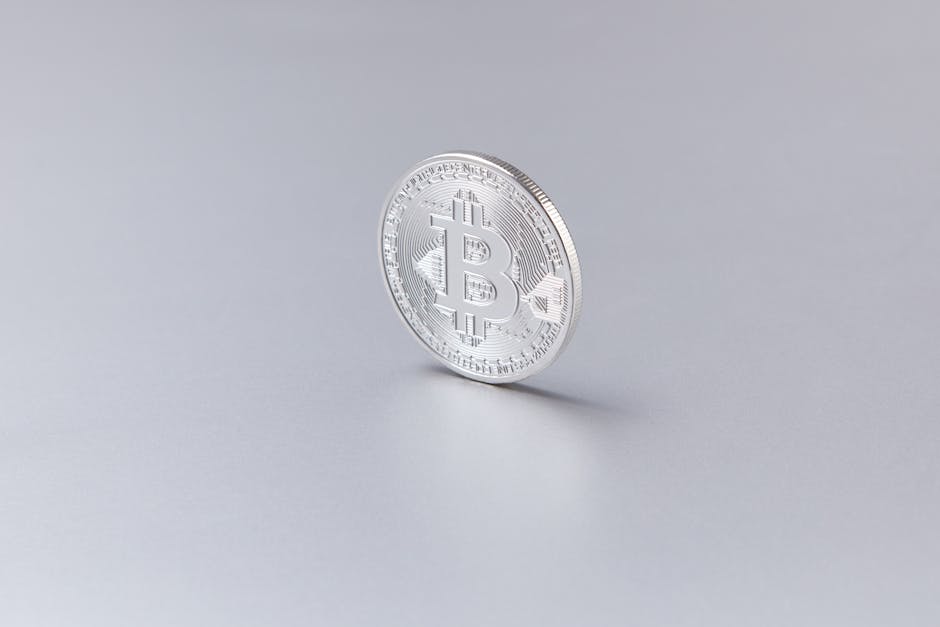 Photo by DS stories on Pexels
Sprott operates in two spaces worth separating.
PSLV (the ETF): 0.35% expense ratio, tradeable in any brokerage. Shares are theoretically redeemable for physical silver in large quantities — a feature SLV doesn't offer retail investors. For most beginners, the redemption path is academic. The fee difference is not.
SLV (iShares): 0.50% expense ratio. More liquid, higher daily volume. No physical redemption for ordinary investors.
Ten years on $10,000, silver held flat:
- SLV: ~$500 in cumulative fees
- PSLV: ~$350 in cumulative fees
- $150 saved. No other meaningful difference for a typical investor.
Choose PSLV.
Sprott Money (Sprott's physical dealing arm, separate from the ETF) is competitive with APMEX on premiums — typically 3–7% over spot. On a $10,000+ physical order, running a direct price comparison between the two dealers before buying can shift $300–$700. Worth five minutes.
Which Platform Fits Which Investor
$500–$5,000: Fee Math Points One Direction
- OneGold first. $1 minimum, 0.12%/year, physically-backed, no brokerage account required. Cleanest entry for a beginner by a clear margin.
- Robinhood + PSLV is the right call if you're already on Robinhood and want silver without opening a separate account. Two minutes to set up.
- Skip eToro for passive holding. The spread and inactivity fee are structurally hostile to buy-and-forget investors at small account sizes.
- Skip physical (APMEX, Sprott Money) below $3,000. Premiums and shipping absorb the position before silver does anything useful.
$20,000–$50,000+: Scale Changes the Calculation
- OneGold still wins on ongoing cost — $60/year on $50K versus $250/year for SLV. But physical silver now deserves an allocation.
- APMEX for $10,000+ physical purchases. At this size, 100-oz bars at 3–5% over spot drop the entry premium significantly. Shipping on a $10,000 order is a rounding error. $20,000 in physical at 5% premium costs $1,000 once, then nothing annually if stored at home.
- PSLV inside a Roth IRA matters at this level through a self-directed IRA custodian. Silver gains inside a Roth grow tax-free — the account wrapper outweighs the 0.15% fee difference between PSLV and SLV.
The Number Fees Can't Fix
 Photo by Content Pixie on Pexels
Silver dropped more than 50% from its 2021 high before recovering. It swings 20–40% in a calendar year without drama. The entire 10-year fee difference between OneGold and SLV on a $5,000 position — $190 — vanishes in one bad month if you sized the position wrong.
Silver works as a hedge when it's a slice of a diversified portfolio, not the whole portfolio. Putting 40% of your savings into silver because you're nervous about dollar weakness isn't hedging — it's a concentrated commodity bet dressed up as caution.
Pick the cheapest vehicle. Size the position for a 30% drawdown without flinching. Then let it sit.
Final Verdict
OneGold is the best silver investment app for most beginners. The 0.12% annual storage fee is the lowest on this list. The $1 minimum removes every barrier to starting. You own allocated physical silver — not an ETF, not a derivative. No inactivity trap, no brokerage subscription, no 10–20% entry premium to recoup before you're in the black.
PSLV (via Robinhood or any brokerage) is the best alternative for investors who want silver inside an existing account. APMEX earns its place at $10,000+ for physical buyers. eToro works for active traders; it punishes everyone else.
For most beginners, OneGold is the right answer: lowest ongoing fee (0.12%/year), $1 minimum, physically-backed ownership, no hidden costs waiting 12 months to activate.