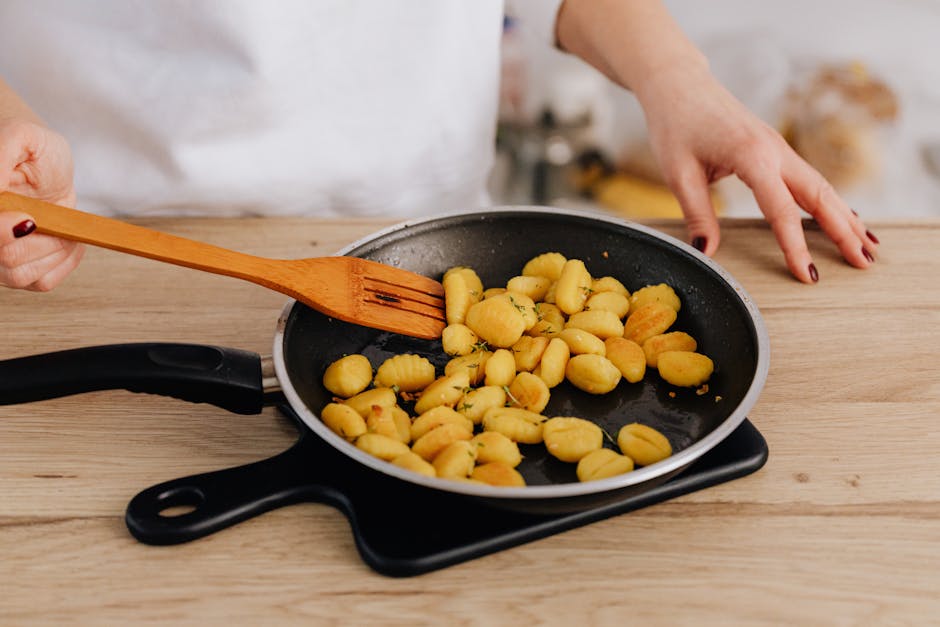
Photo by www.kaboompics.com on Pexels
Processed Foods: Fertility Risks Exposed
Explore the link between processed foods and fertility, uncovering what research says about how diet choices may affect reproductive health.
How Processed Foods Impact Fertility
You're standing in the middle of a bustling grocery store, contemplating your choices. Bright packaging surrounds you, promising convenience and taste, and as you glance at the labels, you can't help but wonder—how do these foods affect more than just your waistline? Your mind turns to a conversation with a friend who mentioned the impact of diet on fertility. Could the contents of your grocery cart really influence your plans to start a family?
Processed foods, which are foods that have been altered from their natural state for convenience, preservation, or palatability, often carry hidden consequences, particularly when it comes to fertility—a critical factor for many prospective parents.
Understanding the Link Between Processed Foods and Fertility
The confusion about processed foods' impact on fertility often arises from mixed messaging. On one hand, these foods provide unparalleled convenience and a consistent taste, making them a staple in many households. On the other, growing evidence suggests a less favorable impact on overall health and fertility. Why is it so hard to pinpoint the effects? Much of it stems from the complex nature of fertility itself, which can be affected by a myriad of factors, including diet, health conditions, age, and lifestyle.
To illustrate, imagine fertility as a delicate, finely-tuned orchestra. Each instrument represents a different factor contributing to your reproductive health. Processed foods are like an untuned trumpet—loud and impactful, potentially disrupting the harmony. These foods often contain excessive amounts of sugars, unhealthy fats, and additives, which can set off a cascade of hormonal imbalances and inflammatory responses, impacting fertility.
Consider a real-world example: Trans fats, commonly found in commercially prepared baked goods and snacks—hallmarks of many processed foods—are linked with insulin resistance and inflammation. These factors can throw off your hormonal balance, affecting ovulation and even the health of sperm. Research indicates that women who consume high amounts of trans fats may experience more difficulties getting pregnant compared to those who maintain a diet rich in healthier fats.
Common Misconceptions About Processed Foods and Fertility
There are several misconceptions fueling the debate on processed foods and fertility:
-
Myth: All Processed Foods Are Equally Harmful. Not all processed foods pose the same risk to fertility. The key is in the level of processing and the additives involved. Lightly processed foods, like bagged salads or chopped vegetables, can still be part of a healthy diet.
-
Myth: "Healthy-Labeled" Processed Foods Are Safe for Fertility. Just because a product claims to be "low-fat" or "sugar-free" doesn't necessarily mean it's beneficial for reproductive health. These products might still harbor unhealthy additives or artificial sweeteners that have their own set of health impacts.
-
Myth: Processed Foods Have No Immediate Impact, Only Long-Term. While it's true that the immediate effects might not be visible, processed foods can start affecting hormonal balances quickly, influencing fertility in both the short term and long term.
Understanding these misconceptions helps highlight the complexity of diet's role in fertility. Fertility involves a host of synchronized systems within the body, and processed foods can disrupt this synchronization much like a suddenly out-of-tune instrument in our orchestra analogy.
Key Takeaway: Balancing Convenience with Health
In your journey towards parenthood, balancing convenience and health becomes paramount. The choices made in the grocery store ripple through intricate biological systems affecting fertility. Hence, moderation and mindful eating can help ensure that processed foods do not overwhelm the delicate balance necessary for reproductive health.
When planning meals, focus on minimizing highly processed foods. Emphasize whole foods rich in nutrients, such as fruits, vegetables, lean proteins, and whole grains. These not only contribute positively to overall health but also support hormonal balance and reduce inflammation, creating a more favorable environment for conception.
Additional Insight: Lifestyle Factors to Consider
While diet is a significant contributor, it's not the sole influencer on fertility. Combining a balanced diet with other lifestyle factors like regular physical activity, managing stress levels, and avoiding smoking and excessive alcohol can further enhance fertility prospects.
Your everyday food choices, while seemingly small, collectively play a significant role in your reproductive health journey. By approaching your diet with an informed perspective, you can navigate the realm of processed foods mindful of their potential impacts—and continue toward a healthier, more fertility-friendly lifestyle.