
Photo by Edward Jenner on Pexels
5 Breakthroughs in Cartilage Regeneration Research
Explore the latest breakthroughs in cartilage regeneration research. Learn how these advancements could change treatment options and improve quality of life for many patients.
Advances in Cartilage Regeneration: What to Know
Could the Future of Joint Health Lie in the Bounds of Cartilage Regeneration?
As you grapple with mounting aches, perhaps wondering if relief without surgery is conceivable, the field of cartilage regeneration suddenly seems to offer hope. While cartilage damage often feels like a lifelong curse for many, an innovative shift in regenerative medicine offers a glimmer of possibility we once thought elusive. What's causing this renewed optimism for healing worn and torn cartilage?
What's Changing and Since When
 Photo by Yan Krukau on Pexels
Cartilage regeneration, a once tentative science, is making strides toward the mainstream due to breakthroughs in cellular biology and tissue engineering over recent years. These advancements have transformed from theory to practice much more quickly than anticipated, generating excitement both in labs and clinics around the globe. Since around 2023, the velocity at which these scientific developments have been turning into therapeutic options has significantly increased. Procedures once deemed experimental are beginning to break ground as clinically viable treatments for individuals suffering from cartilage damage due to injury or degeneration.
Researchers are now unlocking the potential of stem cells and induced pluripotent stem cells (iPSCs) to cultivate new cartilage tissues. This evolution propels cartilage regeneration past its rudimentary beginnings, fostering an era of promising therapies that seem poised to flip the script on chronic joint pain.
Why Now: The Forces Driving This Transformation
Technological Innovations
At the heart of this medical revolution is a series of technological breakthroughs. Advances in 3D printing have initiated an innovative leap forward in tissue scaffolding, allowing for the precise and controlled growth of cartilage structures tailored to human physiology. The fusion of biomaterials with these cutting-edge technologies is set to refine the quality and functionality of regenerated cartilage like never before.
Additionally, developments in gene editing systems such as CRISPR have opened new avenues for correcting genetic predispositions that exacerbate cartilage deterioration risks. These technologies are not just enhancing the efficiency of cartilage regeneration processes but are also reducing the cost, thereby expanding accessibility to a larger patient population.
Shifting Regulatory Environments
Alongside technological advances, regulatory changes have also played a crucial role. Regulatory bodies are evolving to foster innovation while ensuring safety. Over the past few years, expedited approval pathways for regenerative medicines have been introduced, significantly shortening the time from bench to bedside for cartilage regeneration therapies. This shift has encouraged investment in research and accelerated the distribution of these novel treatments.
Early Signals and Leading Indicators
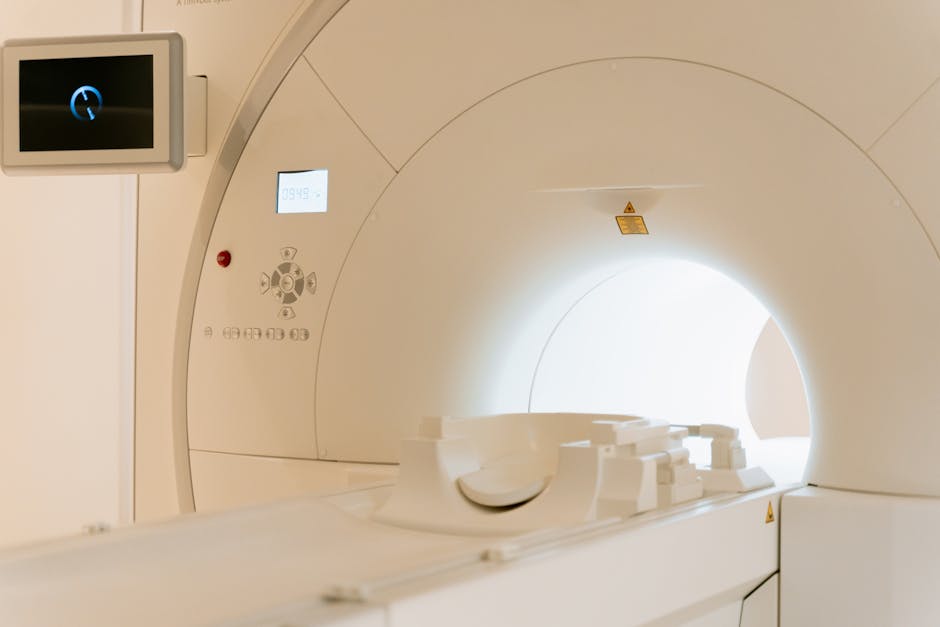 Photo by MART PRODUCTION on Pexels
The early signals of a significant transformation can be observed in the number of clinical trials currently underway and the emerging success stories being reported. An increasing number of orthopedic clinics and hospitals around the world are adopting these advanced therapies to treat patients. If research papers and academic journals are anything to go by, various pilot studies have already shown promising results in humans, generating widespread enthusiasm for these developments.
Moreover, the rising investment from both public institutions and private companies suggests that the industry anticipates a robust growth curve, signaling a coming surge in both demand and innovation. Articles discussing thriving startups and collaborations between biotech firms and academia further underscore the exciting momentum building in this space.
What This Means for You
Whether you're a patient seeking alternatives to invasive surgery or a healthcare professional monitoring innovative treatments, these developments in cartilage regeneration can fundamentally change how we approach and treat joint damage. With science laying the groundwork for more effective, less invasive interventions, there's a real possibility that the dependency on prosthetics and joint replacements could diminish in the coming decades.
For patients, this could mean reduced recovery times, less operative risk, and a chance for a pain-free quality of life. For healthcare providers, incorporating these cutting-edge therapies into practice not only represents staying at the forefront of medical advancements but also enhancing patient satisfaction and outcomes.
What to Do / How to Position
 Photo by Daria on Pexels
Patients
- Stay Informed: Keep abreast of new treatments. Consult your healthcare provider about clinical trials you may be eligible for.
- Lifestyle Adjustments: Continue with joint-friendly exercises and anti-inflammatory diets to complement any potential new treatments you may undergo.
Healthcare Professionals
- Integrate New Knowledge: Consider attending conferences or seminars centered on regenerative medicine to share insights with peers.
- Patient Education: Help patients understand these new options, emphasizing the importance of safety and evidence-based approaches.
Researchers
- Expand Collaborations: Engage with tech experts to further improve tissue engineering applications.
- Diversify Funding: Secure diversified funding sources to support expansive research initiatives and foster innovation.
A Prediction
By the end of the decade, cartilage regeneration may well transition from an emerging technology to a standard medical procedure in orthopedic care. As technology continues its relentless march forward, and as regulations evolve to support rather than hinder, this burgeoning field holds the potential to redefine how society views aging and healing. We may soon witness a world where joint pain and degenerative conditions are not considered life sentences but temporary hurdles amenable to breakthrough regenerative therapies. Keep your eyes on this horizon, as cartilage regeneration promises not just an evolution in science, but a revolution in health and vitality.


