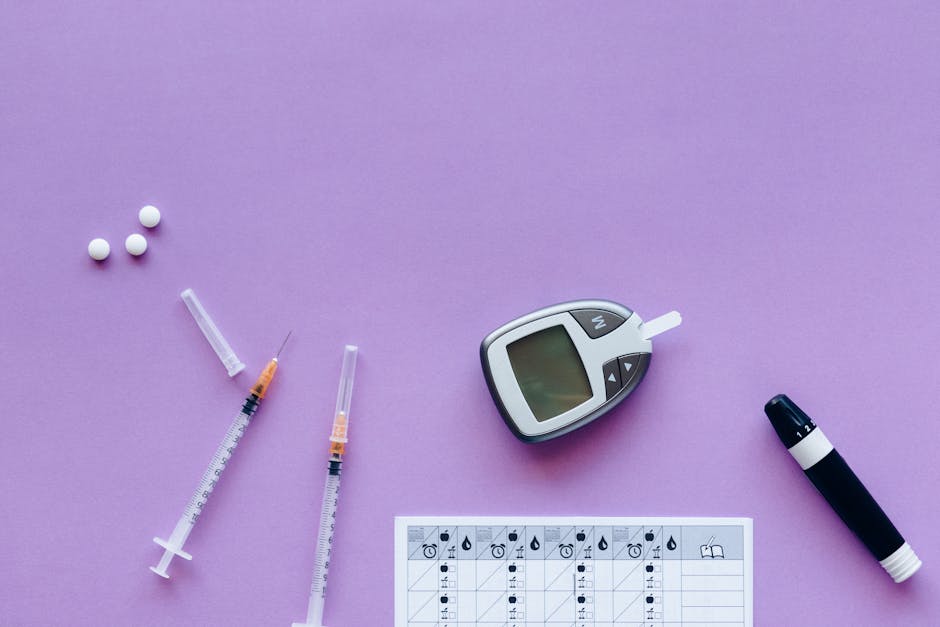
Photo by Nataliya Vaitkevich on Pexels
Insulin Price Decline: What You Need to Know
Explore the recent decline in insulin prices and its implications for diabetic patients, healthcare providers, and policy makers. Understand the factors driving this change and what it means for healthcare costs overall.
Analyzing the Impact of Insulin Price Decline
Why are insulin prices suddenly dropping, and what does this mean for millions of diabetics who have long struggled with the financial burden of managing their condition? As you ponder this critical shift, consider that the U.S. has seen insulin prices decline significantly since major pharmaceutical companies slashed their list prices earlier this year.
The News in Plain Terms
For years, insulin prices in the U.S. had been infamously high, causing distress among diabetics and prompting calls for policy intervention. In a radical departure from the norm, several leading insulin manufacturers announced substantial price cuts in 2026. This bold move largely results from increased pressure from public advocacy, legislative reforms, and the expiration of key patents. The list price for some insulin products, for example, dropped by upwards of 70%. This isn't merely a symbolic gesture—it's a concrete change in the healthcare landscape that could alleviate financial stress for many individuals living with diabetes.
Why This Matters Now
 Photo by www.kaboompics.com on Pexels
This decline in insulin prices isn't just about dollars and cents; it's about accessibility and quality of life. For the millions of diabetics who depend on insulin, lower prices can mean the difference between affordably managing their health and making heartbreaking financial sacrifices. Reduced prices could potentially decrease instances of insulin rationing, a dangerous practice some have adopted due to high costs.
In the broader healthcare ecosystem, this shift may influence conversations around drug pricing and healthcare reform. If insulin, a drug with relatively inelastic demand due to its necessity, can decrease in price, what does this mean for other pharmaceuticals? These questions are especially salient in a political landscape still grappling with healthcare affordability.
Broader Context and Historical Patterns
Historically, insulin prices have been a thorny issue in U.S. healthcare, with costs for some insulin products tripling over the past decade before the recent cuts. This has placed an undue burden on American families, even as other countries offered the same medications at a fraction of the cost.
The high price of insulin often resulted from an opaque pricing system involving manufacturers, pharmacy benefit managers, insurers, and pharmacies. This complexity has shrouded costs in mystery, making effective reform challenging. Additionally, patents on insulin products have historically limited competition, contributing to higher prices. Recent expirations of such patents have opened the door for generic and biosimilar insulins, disrupting the market and pushing down prices.
Advocacy groups and policymakers have relentlessly campaigned for transparency and regulation in drug pricing, efforts that are now, finally, bearing fruit. The recent policy changes and manufacturer decisions to lower prices represent a pivotal moment of responsiveness in what seemed a stagnant issue.
What to Watch Next
 Photo by RDNE Stock project on Pexels
While the initial reactions to the insulin price decline are overwhelmingly positive—as they should be—it is crucial to continue monitoring how these changes play out. Several key aspects require close observation:
-
Affordability vs. Accessibility: Will lower prices translate directly to out-of-pocket savings for patients, or will complexities in insurance coverages still limit some beneficiaries?
-
Market Dynamics: As generic and biosimilar insulins gain traction, how will the market respond? Will new entrants push prices further down?
-
Legislative Responses: There might be increased momentum behind federal and state legislation aimed at broader pharmaceutical pricing reform. It's worth keeping an eye on how politicians leverage this change in ongoing debates over drug pricing policies.
-
Impact on Research and Development: As manufacturers face decreased revenues from insulin, will there be an effect on innovation, potentially delaying new treatment options?
Bottom Line Takeaway
The decline in insulin prices marks a significant turning point in the struggle for affordable healthcare in the U.S. For those living with diabetes, this change lends a sigh of relief, promising a more manageable cost structure and a brighter prospect for health management. Yet, the journey isn't complete—the system remains complex and in flux, requiring ongoing vigilance from all stakeholders. The ripple effect of this decline could extend far beyond insulin, possibly reshaping the entire dialogue around pharmaceutical pricing and healthcare access in America. While this is a victory worth celebrating, it marks just one step toward more equitable healthcare for all.