Photo by Jauhar Musthofal Qulub on Pexels
5 House Affordability Trends to Watch
Explore the latest trends impacting house affordability in 2026. Learn how economic factors, interest rates, and market shifts are influencing home prices and what it means for today’s buyers.
Unveiling House Affordability Trends: A 2026 Outlook
Imagine you've doubled your income over the last decade, yet your dream of owning a home feels even further away. This is the puzzling scenario facing many prospective homeowners in 2026. Despite a surge in average wages, house affordability remains elusive—a multifaceted challenge demanding our keen attention and understanding.
Deciphering House Affordability
House affordability isn't merely a matter of math but a complex equation balancing income, living costs, and market dynamics. It's about more than just affording a down payment; it's about sustaining the financial burden of homeownership without compromising your lifestyle. As buyers, understanding this involves more than looking at salary figures—it requires a broader view of the factors at play.
Why House Affordability Defies Simple Explanation
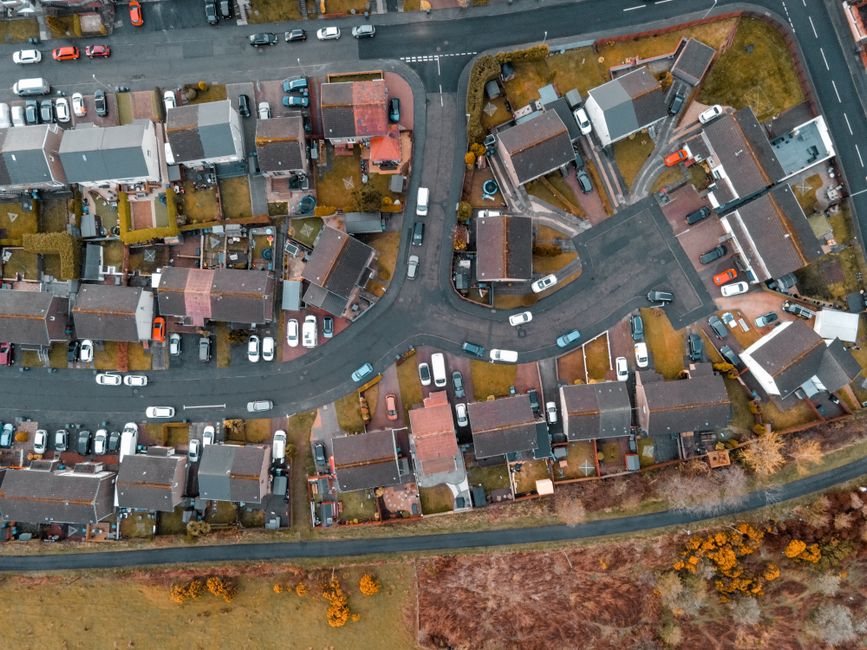 Photo by Ollie Craig on Pexels
The narrative that increased income naturally leads to higher affordability fails the test of reality. It's a misconception driven by oversimplification, ignoring the rollercoaster dynamics of the housing market, interest rates, and economic shifts. This misstep often blindsides would-be homeowners who find themselves unprepared for the steep climb into the housing market itself.
The Complexity of House Affordability: Beyond the Numbers
Consider house affordability like an iceberg—what lies beneath is vast and significant. You’re not just running a marathon; you're doing so on an unpredictable course. Boosted wages ('training') face off against fluctuating interest rates ('course hurdles') and unpredictable housing policies ('weather conditions') that steer your journey. The real understanding evolves not just from what you earn, but how external variables reshape the home-buying landscape.
Urban Housing Dynamics: A Modern Case Study
 Photo by RDNE Stock project on Pexels
Within the tech-booming cities of 2026, even sky-high wages buckle under the pressure of ever-escalating property values. As tech jobs inflate incomes, they inadvertently inject upward pressure on real estate demand—prices soar while housing supply remains tethered. In this environment, high wages become a less reliable indicator of home-buying capability.
2026 Key Trends & Strategies
1. Income Growth vs. Price Surge In major urban zones, property prices are outpacing wage growth. The solution? Look toward emerging suburbs as potential grounds for first home-buyers.
2. Interest Rate Volatility The post-pandemic era saw rates drop to historic lows, only to see them double by 2026. Buyers nowadays should lock in rates early and explore hybrid mortgage options.
3. Supply Scarcity Challenges Limited housing supply has intensified competition. Keep a diversity of housing options on your radar—consider everything from fixer-uppers to new builds, which might offer better affordability ratios.
4. Technology and Housing Smart home trends can now dictate price indices—non-tech-savvy properties may offer better deals for the willing fixer-upper.
5. Policy Influence and Future Forecasting Keep a close watch on zoning changes and urban development plans which frequently unlock potential in what are now less desirable areas.
Debunking the Top Misconceptions About House Affordability
- High Income Equals Easy Purchase: Contrary to popular belief, large incomes face equal resistance as fast-rising home costs.
- Low Interest Rates Guarantee Savings: Rates tend to correlate with inflated market prices—opting for customized mortgage terms often presents a smarter choice.
- Government Assistance Is a Safety Net: While beneficial, aid seldom addresses local supply strains.
- Renting Precedes Owning: Current trends highlight renters choosing flexibility and financial discipline over immediate ownership.
Strategic Flexibility: A Key Takeaway
 Photo by Charles Parker on Pexels
Approaching house affordability in 2026 means strategizing beyond personal earnings. Stay informed on hyper-local trends, embrace adaptable financial strategies, and anticipate market volatility. Like a marathon runner, readiness is found in the ability to pivot, equipping oneself to face housing's shifting landscape. In this preparation lies the pathway to securing your place in the competitive housing market.