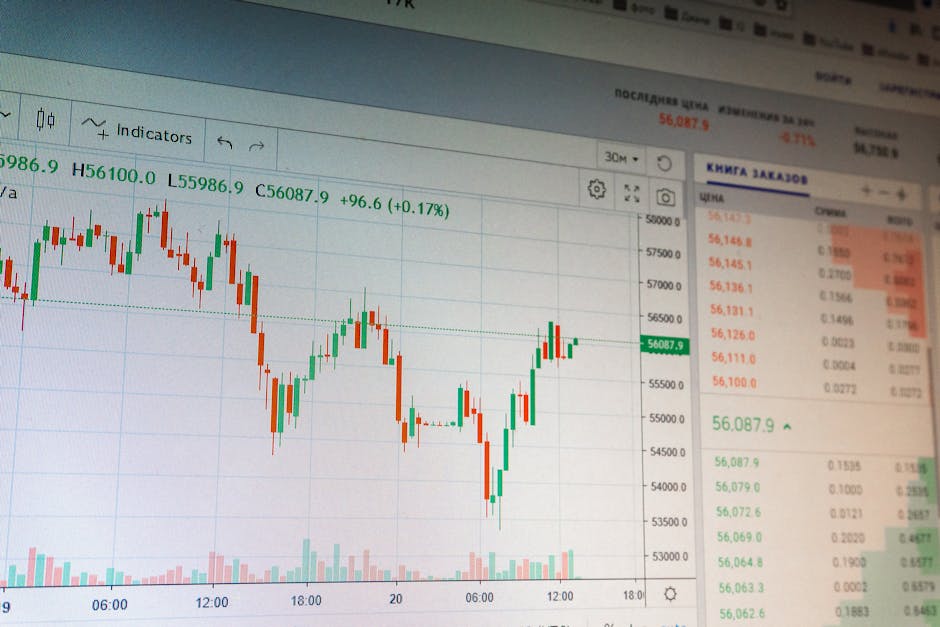
Photo by Max Bonda on Pexels
Proven 5-Step Impact of Oil Price on Stock Futures
Explore how recent changes in oil prices are influencing stock futures and what it means for investors looking to navigate this volatile market landscape.
Understanding the Impact of Oil Prices on Stock Futures in 2026
Rising oil prices have once again captured the financial world's attention in 2026, as they exert significant influence over stock futures across global markets. As oil prices continue their upward trajectory, investors and analysts are closely watching for the ripple effects on various sectors and the broader economic landscape. But what exactly is happening, and why is this important?
Quick Answer:
The impact of oil prices on stock futures is profound, with fluctuations in oil costs directly affecting market sentiment and influencing contract valuations in key sectors like energy and transportation. As oil prices rise, stock futures in energy sectors tend to increase, while consumer-dependent sectors like transportation may see adverse effects. Monitoring these trends is crucial for strategic investment planning.
Why Oil Prices Matter
Oil prices are a crucial indicator of economic health and are often seen as a barometer for inflation and geopolitical stability. Crude oil, as a primary energy source, significantly impacts production costs and consumer spending. When oil prices rise, they often lead to increased costs for goods and services, ultimately affecting consumer behavior and business profitability. This connection makes movements in oil prices a critical factor in predicting stock futures, especially for industries directly tied to energy consumption.
The Current Trend
In the first quarter of 2026, oil prices have surged by over 30% due to geopolitical tensions in major oil-producing regions and an increase in global demand post-pandemic. This spike has led to heightened investor anticipation, with significant ramifications for stock futures, particularly in commodities, energy, and transportation.
- Energy Futures: With rising oil prices, energy companies see increased profit margins as revenue from higher oil sales offsets production costs. Futures contracts in this sector often trend upward, reflecting anticipated profitability and stock valuation increases.
- Transportation and Logistics: These sectors face pressures as higher fuel costs translate into increased operating expenses. This often results in stock futures for these sectors trending downward or facing volatility as investors weigh cost implications against demand fluctuations.
- Consumer Goods: As production and shipping costs rise, consumer goods companies might pass on these costs to customers, potentially impacting demand and future sales forecasts.
Real-World Example: Energy Sector Upswing
Shell Inc., a leading energy corporation, recently reported a 15% increase in futures contracts following a sustained uptick in oil prices. This real-world example underscores the direct relationship between oil price movements and market expectations for future profitability within the energy sector.
Why This Matters for Investors
 Photo by Nicklas Toft on Pexels
Investors must understand oil's role in influencing stock futures to make informed decisions. As oil prices affect key economic indicators and corporate performance, they can alter stock futures' trajectories and reshape portfolio decisions. Here are several reasons why this matters:
- Portfolio Diversification: Investors must consider the correlations between energy prices and stock futures to effectively diversify their portfolios and manage risk.
- Inflation Concerns: Rising oil prices can signal inflationary pressures, prompting shifts in interest rates by central banks, which ultimately affect stock market valuations.
- Geopolitical Risk Assessment: Considering geopolitical tensions in oil-producing regions enables investors to anticipate and react to sudden shifts in market dynamics.
What to Watch for Next
As the year progresses, investors should continue monitoring the following aspects:
- Geopolitical Developments: Ongoing tensions in oil-rich regions can lead to further volatility in oil prices, thereby impacting stock futures.
- Technological Advancements: Innovations in renewable energy and battery technology could shift the traditional dependency on oil, redefining future market expectations.
- Policy Changes: Governmental policies on energy production and consumption, particularly concerning carbon emissions and environmental standards, will also be pivotal.
Frequently Asked Questions
 Photo by AlphaTradeZone on Pexels
1. How do oil prices affect consumer behavior?
Rising oil prices increase transportation and production costs, leading to higher prices for goods and services. This can decrease consumer disposable income and alter spending patterns.
2. Can technological advances mitigate the impact of oil prices on stock futures?
Yes, advancements in renewable energy and efficiency technologies can reduce dependency on oil, potentially stabilizing affected sectors and altering futures market dynamics.
3. Why are stock futures in the transportation sector negatively impacted by high oil prices?
Transportation companies face increased fuel expenses that cut into profit margins, leading to lower valuations for stock futures as investors anticipate reduced earnings.
4. How should investors navigate the current market climate influenced by oil prices?
Investors should adopt a diversified approach, consider future economic and technological trends, and remain informed on geopolitical and policy developments to mitigate risks associated with oil price volatility.
Conclusion
As we venture further into 2026, the impact of oil prices on stock futures remains a critical consideration for investors looking to navigate a complex and dynamic market environment. Remaining vigilant and informed about the interconnectedness of global oil markets, technological developments, and geopolitical tensions will be essential for making strategic investment decisions. By understanding these dynamics, investors can better position themselves for success in a volatile global market.